


Today’s blog features a guest post from Larry Shulman, our Business Development Manager and a veteran of the Canadian computer industry.
IT managers have a tough job today. Most are dealing with demand for expanding data storage capacity, keeping a complex computing infrastructure running with less dollars and planning for disaster recovery and business continuity. Memofix, drawing on our experience as an extension of our customer’s IT department, has some suggestions on what to look for when choosing service partners for specific challenges.
Too often our clients come to us in the midst of an emergency. They may have a hardware failure and require an immediate turnaround on a repair or replacement unit. Perhaps a hard drive or RAID system has crashed and the data is critical to their operation. At that point in the crisis customers may not have the luxury of worrying about the security of the data contained on those devices or about how to solve a complex technical issue. Memofix is known for their responsiveness in these situations but we can’t help think that a small amount of research would also give our customers added confidence that they are not put at undue risk.
When it comes to data recovery we think our customers, both IT managers and technology resellers, need to look deeper at the service partner they are considering. A prospective data recovery partner will have access to sensitive data that only they can access. Therefore don’t just rely on technical ability to recovery data in a timely manner. You need to partner with someone who takes privacy and data security as seriously as you do. Therefore we think you should do the following:
- If you’re looking for data services of any kind, do a back ground check. If you are sending storage devices or media to a supplier, for repair or data recovery services, can you trust them to ensure proper security measures are taken? Memofix recommends that you ask for references and check them out thoroughly. We regularly sign NDAs (non-disclosure agreements) for our customers and our technicians that work on any data device are subject to an extensive background check before they are hired.
- Tour the supplier’s facilities and talk to their management and employees. You want to make sure that your potential partner has an efficient operation and that their staff is motivated to solve problems on behalf of the customer. Memofix has an open door policy for potential new clients or existing customers and we’re more than happy to let you visit.
- Ask for a demonstration of the services you are looking for. For data recovery it’s easy to demonstrate how to solve simple problems but the supplier should be able to walk you through the process of rebuilding a drive or extracting data from a failed RAID. Memofix can address any specific types of devices that you need to support and we’ll even provide some advice on how to avoid having to call us.
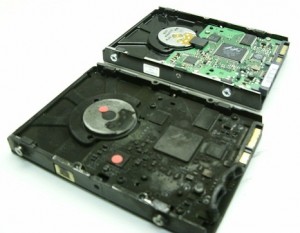
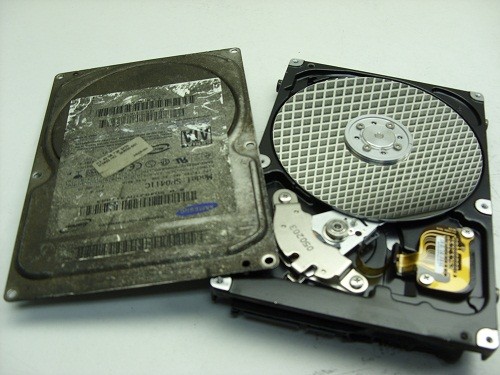
- Make sure that a prospective partner has invested in areas that support your requirements. Memofix has made a significant investment in our data recovery lab, in our technicians and in stocking over 20,000 hard drives for spare parts.
Memofix has every confidence that we will meet or exceed the scrutiny that we recommend. We provide depot work for some of the largest storage OEMs in the industry which means we’ve passed stringent audits and assessments. Make sure that you put any prospective data recovery partner through a similar process before handing over any storage device or media. Or simply contact Memofix and come by for a visit.